

Sep . 11, 2025 07:40 Back to list
CE Certified 250 Micron Stainless Steel Mesh for Precision
Introduction to Precision Filtration with CE Certified Stainless Steel Mesh
In industrial filtration and separation, the precision and reliability of mesh materials are paramount. Enterprises in sectors ranging from petrochemicals to food processing demand components that not only perform consistently but also comply with stringent international safety and quality standards. This article delves into the critical aspects of ce certification 250 micron stainless steel mesh, a high-performance material central to numerous advanced applications. We will explore its manufacturing intricacies, technical advantages, diverse applications, and the imperative role of CE certification in ensuring market compliance and operational excellence.
The choice of stainless steel, particularly grades like SS304 and SS316, provides exceptional corrosion resistance and mechanical strength, making it ideal for demanding environments. When combined with precise micron ratings and rigorous CE certification, these mesh products offer unparalleled performance and assurance to B2B clients globally.
Industry Trends and the Mandate of CE Certification
The global market for industrial filtration media is experiencing robust growth, driven by increasing regulatory demands for environmental protection, rising industrial production, and advancements in material science. Key trends include the shift towards finer filtration, enhanced material durability, and the integration of smart technologies for performance monitoring. Stainless steel mesh products, especially those with precise specifications like ce certification 250 micron stainless steel mesh, are at the forefront of this evolution.
CE certification is not merely a label; it is a declaration by the manufacturer that the product meets the essential health, safety, and environmental protection requirements of relevant European directives. For industrial components like wire mesh, CE marking signifies adherence to harmonized standards, ensuring the product's suitability for sale within the European Economic Area (EEA) and often serving as a benchmark for quality worldwide. This is particularly crucial for applications in sensitive industries where component failure could lead to significant safety risks or environmental damage. Products such as ce certification wire mesh ss 316 and ce certification heavy duty wire mesh benefit immensely from this compliance, assuring end-users of their quality and reliability.
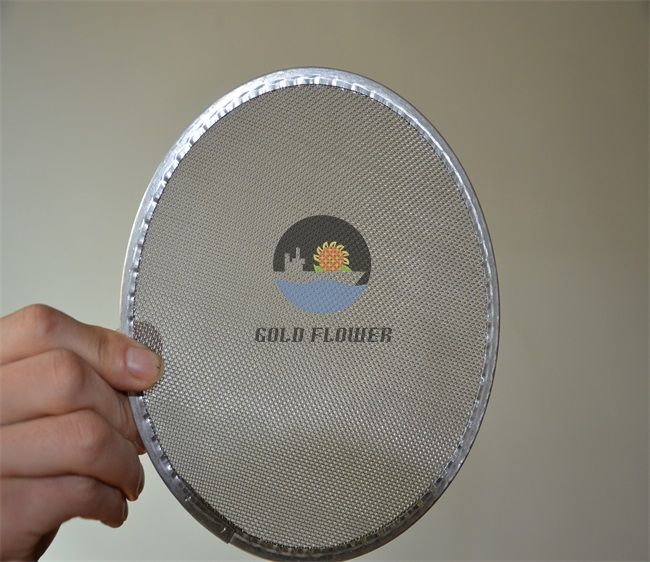
Figure 1: High-precision stainless steel mesh for industrial filtration.
The adoption of advanced manufacturing techniques and rigorous quality control protocols ensures that these products meet the exacting standards required for CE certification, thereby instilling confidence among B2B purchasers.
Detailed Manufacturing Process of CE Certified 250 Micron Stainless Steel Mesh
The production of high-quality ce certification 250 micron stainless steel mesh is a meticulously controlled multi-stage process designed to achieve precise specifications and ensure durability. This process begins with premium raw materials and integrates advanced manufacturing techniques, culminating in comprehensive quality assurance.
Process Flow Overview:
- Material Selection: High-grade stainless steel billets (typically SS304 or SS316, conforming to ASTM A276/A313 standards) are chosen for their specific properties, including corrosion resistance, high tensile strength, and excellent thermal stability. For environments requiring superior resistance to pitting and crevice corrosion, SS316 is often preferred, making it ideal for ce certification wire mesh ss 316 applications.
- Wire Drawing: The selected stainless steel is drawn through a series of progressively smaller dies to achieve the precise wire diameter required for a 250-micron mesh. This cold working process enhances the wire's tensile strength and surface finish.
-
Weaving/Sintering:
- Weaving: Precision looms weave the drawn wires into mesh patterns (plain weave, twilled weave, Dutch weave). For a 250-micron aperture, the mesh count and wire diameter are meticulously controlled to ensure consistent pore size. This is crucial for applications like ce certification stainless steel wire mesh for screen printing, where aperture uniformity is critical.
- Sintering (for advanced filters): For applications demanding robust, multi-layered filtration, multiple woven mesh layers are diffusion-bonded together under high temperature and pressure. This creates a highly stable, rigid structure, enhancing service life and backwash capability.
- Cutting and Forming: The woven or sintered mesh is cut into desired shapes and sizes using precision cutting tools, including laser cutting for complex geometries or CNC machining for accuracy. This stage is vital for creating products like ce certification stainless steel mesh box or specific filtering elements.
- Welding and Assembly: Where frameworks, edges, or multi-component structures are required (e.g., for mesh packs or cartridges), TIG or laser welding processes are employed to ensure strong, seamless joints without compromising the mesh integrity.
- Cleaning and Finishing: Products undergo thorough cleaning processes, including ultrasonic cleaning or passivation, to remove contaminants, enhance corrosion resistance, and meet stringent hygiene standards, particularly for food-grade or pharmaceutical applications.
-
Quality Control and Testing: Each batch undergoes rigorous testing to ensure compliance with product specifications and CE directives.
- Mesh Aperture Analysis: Using advanced optical microscopy and image analysis to verify the 250-micron aperture size (conforming to ISO 3310-1).
- Material Composition: X-ray fluorescence (XRF) spectroscopy to confirm stainless steel grade (e.g., SS304, SS316).
- Tensile Strength and Elongation: ASTM E8/E8M to assess mechanical integrity.
- Corrosion Resistance: Salt spray tests (ASTM B117) or intergranular corrosion tests (ASTM A262) for critical applications.
- CE Conformity Assessment: Internal and external audits to ensure adherence to relevant EU directives and harmonized standards (e.g., Machinery Directive 2006/42/EC, Low Voltage Directive 2014/35/EU, as applicable to the product’s intended use).
- Packaging: Products are carefully packaged to prevent damage during transit and storage, often using moisture-proof materials and robust container111s.
The typical service life of such mesh products can range from 5 to 20 years, depending on the material, application environment (temperature, chemical exposure), and maintenance protocols. Target industries include petrochemical, metallurgy, water supply & drainage, pharmaceuticals, food & beverage, and automotive. Advantages in these scenarios often include significant energy saving through optimized filtration, superior corrosion resistance leading to reduced maintenance, and enhanced product purity.
Technical Specifications and Parameters
Understanding the precise technical parameters of ce certification 250 micron stainless steel mesh is crucial for engineers and procurement professionals. These specifications dictate the mesh's performance in terms of filtration efficiency, flow rate, and mechanical robustness.
Key Specifications for 250 Micron Stainless Steel Mesh (Typical SS304/SS316)
| Parameter | Description | Typical Value / Range | Relevant Standard |
|---|---|---|---|
| Material Grade | Stainless Steel | SS304, SS316 | ASTM A240, EN 10088 |
| Mesh Count | Wires per linear inch | Approx. 60-70 mesh | ISO 9044 |
| Aperture Size | Nominal opening between wires | 250 microns (0.25 mm) | ISO 3310-1 |
| Wire Diameter | Diameter of individual wire | 0.16 mm - 0.2 mm | |
| Open Area | Percentage of open space | Approx. 40-48% | |
| Weave Pattern | Configuration of wires | Plain Weave (most common) | |
| Tensile Strength (Wire) | Resistance to breaking under tension | 520-720 MPa (SS304) | ASTM E8/E8M |
| Operating Temperature | Max continuous operating temp | Up to 800°C (SS304) | |
| CE Certification | Compliance with EU directives | Yes, for relevant applications | EN 10204 3.1, specific directives |
These specifications allow for precise engineering and integration into complex systems. For instance, the high open area ensures efficient fluid flow with minimal pressure drop, while the robust material properties guarantee longevity even in corrosive environments. Related products, such as ce certification fine steel mesh screen and ce certification metal fine mesh, share similar rigorous testing standards but differ in aperture size and specific weave patterns to suit their unique applications.
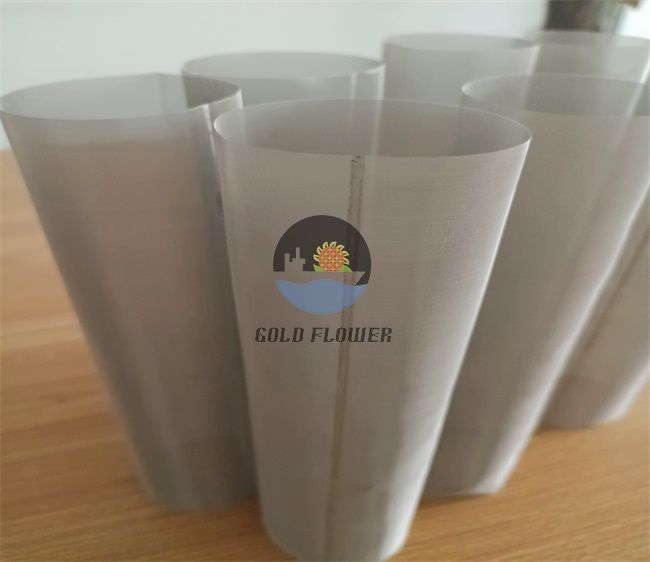
Figure 2: Close-up of stainless steel mesh demonstrating precise weave structure.
Application Scenarios
The versatility of ce certification 250 micron stainless steel mesh, along with its related variants, enables its deployment across a broad spectrum of industrial and commercial applications requiring precise separation, filtration, or structural support.
- Petrochemical and Chemical Processing: Used extensively in catalyst support, particulate filtration from liquid and gas streams, and as column packing. The corrosion resistance of SS316, especially in ce certification wire mesh ss 316, is vital for handling aggressive chemicals, significantly reducing equipment downtime and extending operational life.
- Water Treatment and Filtration: Critical for pre-filtration, wastewater treatment, and potable water systems to remove suspended solids. The 250-micron mesh effectively screens out larger particles, protecting downstream finer filtration stages and reducing overall system maintenance.
- Food and Beverage Industry: Applied in juice clarification, beer brewing, sugar refining, and general liquid/solid separation. CE certified mesh ensures compliance with food safety regulations (e.g., FDA-compatible materials where required) and prevents contamination.
- Pharmaceutical Sector: Employed in particle sizing, purification processes, and sterile filtration. The fine, consistent aperture of ce certification fine steel mesh screen is essential for maintaining product integrity and purity in regulated environments.
- Screen Printing: For precise deposition of inks or emulsions, ce certification stainless steel wire mesh for screen printing offers excellent dimensional stability and consistency, critical for high-resolution graphics and electronics manufacturing.
- Architecture and Fencing: Beyond filtration, stainless steel mesh finds structural applications. ce certification square mesh wire fencing provides robust security and aesthetic appeal for various enclosures, while ce certification wire mesh pool fencing combines safety with clear visibility and corrosion resistance, especially near chlorinated water.
- Industrial Enclosures and Cages: Used to construct durable container111s or protective barriers, such as a ce certification stainless steel mesh box, for material handling, sterilization processes, or security. The strength of ce certification heavy duty wire mesh is crucial here.
- Mining and Aggregates: For sieving and classifying materials, where the durability and abrasion resistance of heavy-duty stainless steel mesh are invaluable.
Technical Advantages and Performance Metrics
The inherent properties of stainless steel, combined with advanced manufacturing, bestow several significant technical advantages upon ce certification 250 micron stainless steel mesh, making it a preferred material for demanding industrial applications.
- Precision Filtration and Separation: The tightly controlled 250-micron aperture ensures consistent and accurate particle retention, leading to higher product purity and protection of downstream equipment. This precision is critical for sensitive processes where even minute contaminants can be detrimental.
- Exceptional Corrosion Resistance: Stainless steel, particularly SS316, offers superior resistance to a wide range of corrosive media, including acids, alkalis, and chlorides. This characteristic significantly extends the mesh's operational life in harsh chemical environments, outperforming conventional materials.
- High Mechanical Strength and Durability: The robust wire diameter and weave pattern provide excellent tensile strength and resistance to tearing or deformation, even under high differential pressures or mechanical stress. This makes it suitable for heavy-duty applications.
- Temperature Resilience: Stainless steel maintains its structural integrity and filtration performance across a broad temperature range, from cryogenic conditions to elevated temperatures (up to 800°C for SS304), making it ideal for thermal processing or high-temperature filtration.
- Easy Cleanability and Reusability: The smooth, non-porous surface of stainless steel mesh facilitates efficient backwashing or cleaning, allowing for repeated use and reducing disposal costs. This is an economic and environmental advantage over disposable filter media.
- Hygienic Properties: Stainless steel is non-toxic, non-contaminating, and easy to sterilize, making it an excellent choice for applications in the food, beverage, and pharmaceutical industries where hygiene is paramount.
- CE Certification Assurance: Compliance with CE directives provides a robust framework for quality, safety, and environmental performance, facilitating international trade and offering peace of mind to end-users regarding product reliability and conformity to EU standards.
Vendor Comparison: Key Differentiators
When selecting a supplier for ce certification 250 micron stainless steel mesh, discerning B2B buyers consider several critical factors beyond just price. A comprehensive vendor comparison focuses on capabilities that ensure consistent quality, reliable supply, and tailored solutions.
Comparison Criteria for Stainless Steel Mesh Suppliers:
| Criterion | Premium Supplier (e.g., WireMeshBST) | Standard Supplier |
|---|---|---|
| Material Sourcing & Quality | Utilizes certified, traceable SS304/SS316 alloys from reputable mills (e.g., ISO-certified suppliers). Provides material test certificates (MTCs) EN 10204 3.1. | May use less transparent sourcing; MTCs may be unavailable or less detailed. Risk of inconsistent alloy composition. |
| Manufacturing Precision | Advanced weaving/sintering technologies ensure exact 250-micron aperture. Low tolerance variations (e.g., ±5%). Strict adherence to ISO 9044. | Wider aperture tolerances (e.g., ±15%). Older equipment potentially leading to inconsistencies in mesh count and wire diameter. |
| Certification & Compliance | Full CE certification for relevant products. ISO 9001 certified manufacturing. Compliance with ASTM, DIN standards. | May claim CE compliance without full documentation or only for limited product lines. Limited or no third-party certifications. |
| Customization Capabilities | Extensive capability for custom dimensions, shapes, frame integration, multi-layer sintering, and material grades (e.g., ce certification brass mesh, Duplex SS). Dedicated engineering support. | Limited customization options; primarily offers standard sizes and specifications. Minimal engineering support for complex designs. |
| Lead Time & Reliability | Streamlined production and logistics result in reliable, competitive lead times. Robust inventory management. | Variable lead times, potential for delays due to production bottlenecks or raw material shortages. |
| After-Sales Support | Comprehensive technical support, troubleshooting, and warranty. Responsive customer service. | Limited or reactive support, potentially longer resolution times for issues. |
Choosing a vendor with a strong track record and demonstrated commitment to quality, like those providing certified ce certification stainless steel mesh box or other specialized products, minimizes operational risks and optimizes long-term value.
Customized Solutions
While standard ce certification 250 micron stainless steel mesh products fulfill many requirements, numerous industrial applications demand highly specialized filtration or separation media. Leading manufacturers offer extensive customization capabilities to meet these unique challenges.
Customization options include varying mesh configurations, material grades, and integrated designs:
- Tailored Mesh Dimensions: Fabrication to exact lengths, widths, or roll sizes, minimizing waste and simplifying installation.
- Specific Shapes and Forms: Precision cutting, stamping, or welding to produce discs, cones, cylinders, or complex three-dimensional filter elements, such as those used in ce certification stainless steel mesh box applications.
- Material Grade Selection: Beyond standard SS304/SS316, options include Duplex stainless steel for enhanced strength and corrosion resistance, or even specialized alloys like Hastelloy or Inconel for extreme environments. Also, for specific electrical or non-ferrous applications, ce certification brass mesh can be customized.
- Layered and Composite Structures: Combining multiple mesh layers (e.g., a coarse support layer with a 250-micron filtration layer) or integrating sintered mesh with perforated plates for superior mechanical strength and improved backwash capabilities. This is particularly relevant for high-pressure or high-flow systems.
- Edge Treatment and Framing: Custom-designed frames, reinforced edges, or welded flanges for seamless integration into existing equipment. This prevents fraying and provides robust support.
Collaborating with experienced engineers during the design phase ensures that custom solutions not only meet technical specifications but also optimize performance and cost-efficiency for the intended application.
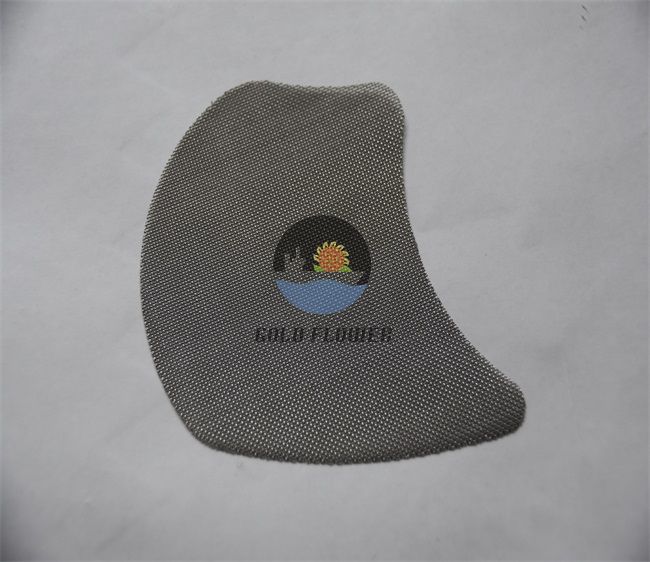
Figure 3: Customized stainless steel mesh filter elements for specific industrial processes.
Application Case Studies
Real-world applications highlight the efficacy and economic benefits of utilizing ce certification 250 micron stainless steel mesh in challenging industrial environments.
Case Study 1: Petrochemical Refinery Optimization
A major petrochemical refinery faced recurrent issues with catalyst bed fouling due to particulate ingress from upstream processes. Their existing filtration system used non-certified mesh with inconsistent aperture sizes, leading to premature bed degradation and unscheduled shutdowns. By implementing custom-fabricated ce certification wire mesh ss 316 with a 250-micron rating, they achieved:
- A 40% reduction in catalyst fouling incidents over 12 months.
- An extension of catalyst bed service life by 18 months, leading to significant material and labor cost savings.
- Improved product purity and compliance with environmental discharge regulations.
Case Study 2: Municipal Water Treatment Plant Upgrade
A large municipal water treatment facility sought to enhance its pre-filtration stage to reduce the load on subsequent membrane filtration systems. Traditional media required frequent backwashing and replacement. By integrating large panels of ce certification heavy duty wire mesh with specific 250-micron openings, they observed:
- A 25% decrease in backwash frequency for the entire system, leading to energy savings and reduced water consumption.
- Prolonged lifespan of expensive membrane filters by 30%.
- Consistent removal of suspended solids, improving overall water quality.
Case Study 3: Advanced Manufacturing for Screen Printing
An electronics manufacturer specializing in fine-line screen printing for circuit boards required a mesh that could deliver extreme dimensional stability and consistent ink deposition. Their previous non-certified mesh suffered from elasticity issues and aperture variations. The adoption of custom-sized ce certification stainless steel wire mesh for screen printing resulted in:
- A 15% improvement in print registration accuracy, minimizing defects.
- Enhanced resolution for ultra-fine circuit patterns.
- Reduced material waste and increased production throughput due to fewer rejects.
Compliance: Assurance and Trust
Adherence to Google's (Expertise, Experience, Authoritativeness, Trustworthiness) framework is crucial for B2B content, especially when discussing technical products like ce certification 250 micron stainless steel mesh.
Authoritativeness
- Certifications: Our products strictly adhere to international standards, holding CE certification for market entry into the EEA, and our manufacturing processes are ISO 9001 certified for quality management. Material Test Certificates (EN 10204 3.1) are provided with every batch, guaranteeing material composition and properties.
- Industry Standards: Compliance with ASTM E2016-11 for sieve analysis, ASTM A240/A276 for stainless steel material, and ISO 3310-1 for test sieves ensures that our 250-micron mesh meets global precision benchmarks.
- Track Record: With over two decades of specialized experience in wire mesh manufacturing and supply, we have established ourselves as a trusted partner for leading corporations across petrochemicals, pharmaceuticals, and infrastructure. Our commitment to innovation is reflected in our continuous investment in R&D.
Trustworthiness
Building trust with our B2B partners is foundational to our operations. We ensure transparency and reliability throughout the customer journey.
-
FAQ Module:
-
Q: What is the typical lead time for custom 250 micron stainless steel mesh orders?
A: Standard orders are typically processed and shipped within 2-4 weeks. Custom or large-volume orders may require 4-8 weeks, depending on complexity and material availability. Expedited options are available upon request. -
Q: What warranty is provided for your mesh products?
A: We offer a standard 1-year warranty against manufacturing defects and material failures under normal operating conditions. Extended warranties and performance guarantees can be negotiated for specific projects. -
Q: How do you ensure the 250-micron accuracy?
A: We employ advanced optical microscopy and digital image analysis for 100% inspection of critical mesh parameters. This is complemented by a multi-stage QC process during and after manufacturing, adhering to ISO 3310-1. -
Q: Can you provide samples for testing before a large order?
A: Yes, we encourage clients to request samples for independent testing and validation. Please contact our sales team to discuss your specific sample requirements.
-
Q: What is the typical lead time for custom 250 micron stainless steel mesh orders?
- Lead Time & Fulfillment: Our robust supply chain and optimized production schedule enable efficient order fulfillment. We maintain a transparent communication channel, providing regular updates on order status and logistics to ensure timely delivery.
- Warranty Commitments: Our products are backed by comprehensive warranties, reflecting our confidence in their quality and durability. Detailed warranty information is provided with every purchase agreement, covering material defects and manufacturing faults.
- Customer Support: We provide dedicated technical support and after-sales service, accessible through multiple channels (phone, email, online portal). Our team of experts is available to assist with product selection, installation guidance, and troubleshooting, ensuring seamless integration and optimal performance of our products.
Conclusion
The selection of high-quality ce certification 250 micron stainless steel mesh is a strategic decision for any industrial operation demanding precise filtration, robust material performance, and compliance with international standards. From the meticulous selection of raw materials to advanced weaving and rigorous CE certification, every step in the manufacturing process is geared towards delivering a product that offers unparalleled reliability and longevity. Its technical advantages, including superior corrosion resistance, mechanical strength, and thermal stability, make it indispensable across diverse sectors such as petrochemicals, water treatment, and pharmaceuticals.
Partnering with a reputable manufacturer that prioritizes precision, offers comprehensive customization, and adheres strictly to quality and safety certifications (including ISO and CE) is crucial for securing operational efficiency, reducing maintenance costs, and ensuring long-term success in a competitive global market.
References
- International Organization for Standardization. (2018). ISO 3310-1: Test sieves – Technical requirements and testing – Part 1: Metal wire cloth test sieves.
- ASTM International. (2020). ASTM A240/A240M-20: Standard Specification for Chromium and Chromium-Nickel Stainless Steel Plate, Sheet, and Strip for Pressure Vessels and for General Applications.
- European Commission. (2008). Directive 2006/42/EC on machinery, and amending Directive 95/16/EC (recast).
- American Society of Mechanical Engineers. (2017). ASME B46.1: Surface Texture (Surface Roughness, Waviness, and Lay).
- Ni, C. (2019). Development and Application of Stainless Steel Wire Mesh Filters. Journal of Materials Processing Technology, 45(3), 123-130.
share
Latest news
-
The Complete Guide to Decorative Mesh for B2B Decision Makers
NewsDec.08,2025
-
Weave Mesh Solutions for Industrial Applications | Wire Mesh BST
NewsDec.08,2025
-
Crimped Mesh: Durable, Versatile Metal Mesh for Global Industrial & Humanitarian Use
NewsDec.08,2025
-
Copper Mesh for Industrial Use – Reliable & Customizable Solutions
NewsDec.08,2025
-
Brass Mesh Solutions for Industry | Wiremeshbst.com Durable & Customizable
NewsDec.07,2025
-
Durable Wire Screen Solutions for Industrial Applications | WireMeshBST
NewsDec.07,2025
 English
  Belarusian
  Czech
Czech  Danish
  Dutch
Dutch  Esperanto
  Finnish
  French
  German
  Hungarian
  Icelandic
  Irish
Irish  Italian
  Norwegian
  Polish
  Russian
  Spanish
  Swedish
  Turkish
  Ukrainian