

Sep . 13, 2025 07:40 Back to list
Precision CE Certified 250 Micron Stainless Steel Mesh & Fabric
Introduction to Precision Stainless Steel Mesh
In the rapidly evolving landscape of industrial filtration, separation, and structural reinforcement, the demand for high-performance materials is paramount. Among these, stainless steel mesh stands out for its exceptional durability, corrosion resistance, and versatility. This comprehensive article delves into the intricacies of ce certification 250 micron stainless steel mesh, a critical component in numerous advanced applications. We will explore its manufacturing process, technical specifications, diverse application scenarios, and the stringent quality standards that ensure its reliability and compliance.
Targeting B2B decision-makers and engineering professionals, our focus will be on the technical superiority, adherence to international standards like CE certification, and the tangible benefits this specialized mesh offers across industries, from petrochemical to food processing. Understanding the nuances of materials like 304 and 316 stainless steel, and the meticulous processes involved in creating such fine mesh, is crucial for optimizing operational efficiency and product longevity.
Detailed Manufacturing Process of Fine Stainless Steel Mesh
The production of high-precision stainless steel mesh, particularly with a 250-micron aperture, involves a series of meticulously controlled stages to ensure superior quality and performance. While our company excels in various mesh types, including 304 stainless steel welded wire mesh, the focus for ce certification 250 micron stainless steel mesh often shifts towards advanced weaving techniques for achieving such fine filtration capabilities.
1. Material Selection and Preparation
- Raw Material Sourcing: High-grade stainless steel coils, primarily AISI 304 or AISI 316, are selected. AISI 304 offers excellent corrosion resistance and weldability, making it suitable for a wide range of applications. AISI 316, with its molybdenum content, provides enhanced resistance to pitting and crevice corrosion, ideal for marine or highly corrosive chemical environments.
- Wire Drawing: The raw stainless steel rods undergo a multi-stage wire drawing process. This reduces the wire diameter to the precise dimension required for the specified mesh count, typically in the range of 0.08mm to 0.16mm for a 250-micron aperture. Cold drawing enhances tensile strength and surface finish.
- Annealing: To improve ductility and prepare the wire for weaving, it often undergoes an annealing process. This heat treatment reduces internal stresses, making the wire more pliable and less prone to breakage during weaving.
2. Precision Weaving
- Weaving Process: For 250-micron mesh, the most common method is plain weave or twilled weave on specialized loom machines.
- Plain Weave: Each warp wire passes alternately over and under each weft wire, forming a rigid, stable mesh.
- Twilled Weave: Each warp wire passes over two weft wires and under two weft wires, resulting in a denser, stronger mesh with potentially finer filtration.
- Tension Control: Maintaining consistent tension on both warp and weft wires throughout the weaving process is critical to achieving uniform aperture size and preventing distortion, crucial for precision applications such as ce certification stainless steel wire mesh for screen printing.
3. Post-Weaving Treatment and Finishing
- Cleaning and Degreasing: The woven mesh is thoroughly cleaned to remove lubricants, oils, and any residual contaminants from the manufacturing process. This step is crucial for applications requiring high purity, such as in food processing or pharmaceutical industries.
- Slitting and Cutting: The large rolls of woven mesh are then precisely cut into specific dimensions as per customer requirements, using automated slitting machines to ensure clean, burr-free edges.
- Edge Treatment (Optional): Depending on the application, edges may be reinforced or finished, for example, by welding or binding, particularly for ce certification square mesh wire fencing or specialized filter elements.
4. Quality Control and CE Certification
- Dimensional Inspection: Each batch undergoes rigorous inspection for aperture size (250 micron +/- tolerance), wire diameter, mesh count, and overall dimensions using advanced optical measurement systems. This adheres to standards like ASTM E2016.
- Material Composition Analysis: Spectroscopic analysis ensures the stainless steel composition (e.g., 304 or 316) meets specifications.
- Tensile Strength Testing: Samples are tested to verify mechanical properties.
- CE Certification: For products intended for the European market, adherence to CE directives is paramount. This involves a declaration of conformity, demonstrating the product meets essential health and safety requirements. This typically covers aspects like material safety, structural integrity for its intended use, and environmental impact during manufacturing. Our commitment to CE standards ensures that our ce certification 250 micron stainless steel mesh is not only technically superior but also globally compliant.
- Packaging: Finished mesh rolls or sheets are carefully packaged to prevent damage during transit, often using moisture-proof materials.
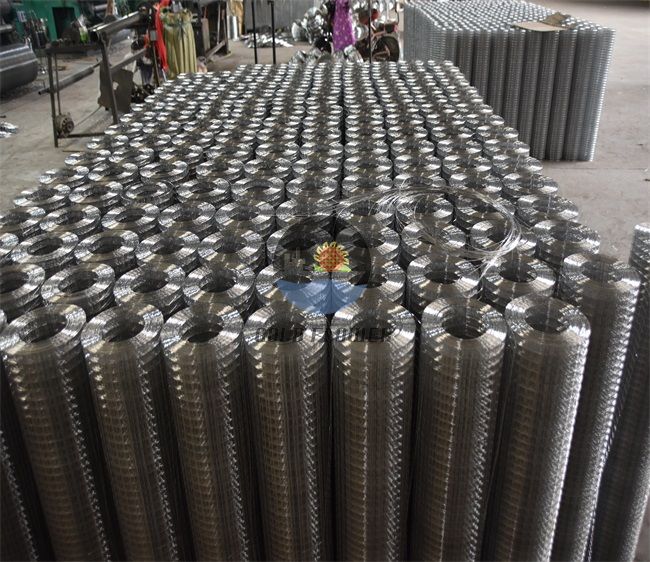
Illustration of high-precision stainless steel mesh manufacturing process.
Industry Trends and Market Dynamics
The market for fine stainless steel mesh is currently experiencing robust growth, driven by increasing demands from high-tech industries for superior filtration, separation, and screening solutions. Key trends include:
- Miniaturization and Precision: Industries like microelectronics, pharmaceuticals, and medical devices require increasingly finer and more precise meshes, pushing the boundaries of traditional weaving technologies to achieve consistent 250-micron or even smaller apertures.
- Sustainability and Longevity: A growing emphasis on sustainable practices is driving demand for durable, reusable mesh products that offer extended service life, reducing waste and replacement costs. Stainless steel's inherent corrosion resistance and strength contribute significantly to this.
- Automation and Smart Manufacturing: Advanced manufacturing processes integrating AI and IoT for quality control are becoming standard, ensuring unparalleled consistency in mesh aperture and material integrity.
- Regulatory Compliance: The global market is increasingly stringent regarding product safety and environmental compliance. CE certification is not merely a label but a testament to adherence to European Union standards, making products like ce certification wire mesh ss 316 highly sought after for international projects.
- Customization: The need for application-specific mesh products, whether in roll form, cut-to-size, or fabricated into complex components (e.g., ce certification stainless steel mesh box), is a major driver, necessitating flexible manufacturing capabilities.
Market analyses project a compound annual growth rate (CAGR) for the global industrial wire mesh market to be around 4.5% from 2023 to 2030, with fine mesh segments, particularly those with high-grade stainless steel and certification, outperforming the general market average.
Technical Specifications and Performance Parameters
The precision and reliability of ce certification 250 micron stainless steel mesh are defined by its technical specifications. Understanding these parameters is crucial for selecting the optimal mesh for demanding industrial applications.
Typical Specifications for 250 Micron Woven Stainless Steel Mesh (Plain Weave)
| Parameter | Value / Description | Standard / Significance |
|---|---|---|
| Material Grade | AISI 304 / AISI 316 | Corrosion resistance, heat resistance |
| Aperture (Opening Size) | 250 microns (0.25 mm) | Filtration precision, particle retention |
| Mesh Count | 60 mesh per inch (MPI) | Number of openings per linear inch (nominal) |
| Wire Diameter | 0.17 mm (approx.) | Influences strength, open area, and flow rate |
| Open Area | 55.5% (approx.) | Permeability, flow rate, particle loading capacity |
| Tensile Strength | 520-720 MPa (typical for 304 SS) | Mechanical robustness, resistance to deformation |
| Weave Type | Plain Weave or Twilled Weave | Stability, strength, filtration characteristics |
| CE Certification | Conformity to EU directives (e.g., Machinery Directive, RoHS) | Ensures product meets health, safety, and environmental protection standards for EU market |
Material Comparison: 304 SS vs. 316 SS
| Feature | AISI 304 Stainless Steel | AISI 316 Stainless Steel |
|---|---|---|
| Composition | 18% Chromium, 8% Nickel | 16% Chromium, 10% Nickel, 2% Molybdenum |
| Corrosion Resistance | Excellent against general corrosion, good for food and architectural uses. | Superior, especially against chlorides, pitting, and crevice corrosion. Ideal for marine and chemical processing. |
| Heat Resistance | Good up to 870°C intermittent, 925°C continuous. | Slightly better at elevated temperatures due to Mo content. |
| Cost | More economical. | Higher due to Molybdenum content. |
| Typical Applications | General industrial filtration, architectural meshes, food processing (non-aggressive). | Marine environments, pharmaceutical, petrochemical, highly corrosive industrial settings, ce certification wire mesh ss 316. |
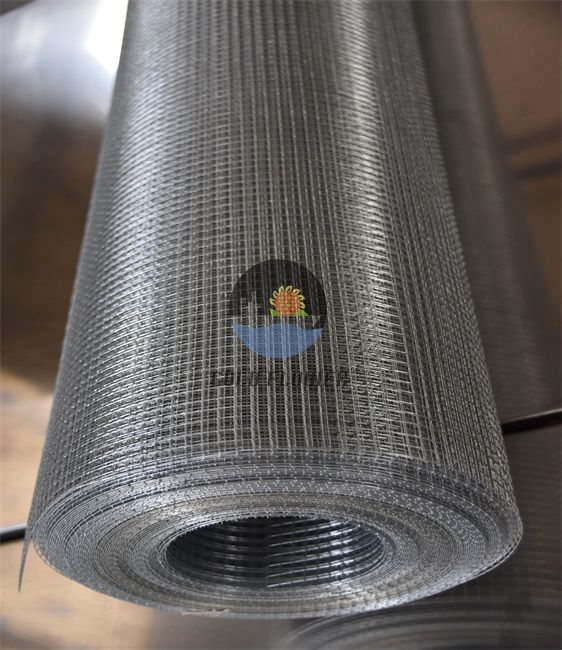
Close-up view of fine stainless steel mesh structure.
Application Scenarios and Industry Benefits
The versatility of ce certification 250 micron stainless steel mesh makes it indispensable across a multitude of demanding industries. Its precise filtration capabilities, combined with the inherent strength and corrosion resistance of stainless steel, offer significant operational advantages.
Key Industries and Applications:
- Petrochemical Industry: Used in catalyst recovery, fluid bed filtration, and gas-liquid separation processes. The mesh's corrosion resistance ensures stability in harsh chemical environments, minimizing downtime and maintenance costs.
- Metallurgy: Essential for molten metal filtration, slag removal, and in vibrating screens for precise particle sizing of powders and aggregates. For instance, ce certification fine steel mesh screen is critical for achieving consistent particle distribution in metal powder production.
- Water Supply & Drainage / Water Treatment: Employed in pre-filtration systems, sand filters, and wastewater treatment plants to remove fine particulates, contributing to cleaner water and protecting downstream equipment. The longevity of stainless steel mesh significantly reduces the frequency of replacements compared to polymer alternatives.
- Food & Beverage Processing: For filtering fruit juices, oils, dairy products, and grain separation. The hygienic properties of 304 and 316 stainless steel, combined with their resistance to cleaning agents, make them ideal for maintaining product purity and compliance with food safety regulations.
- Pharmaceutical Industry: Crucial for sifting powders, tablet production, and sterile filtration processes where consistent particle size and contamination prevention are non-negotiable. ce certification stainless steel woven fabric ensures precise separation required for API (Active Pharmaceutical Ingredient) manufacturing.
- Screen Printing: As a high-durability and dimensionally stable screen material for demanding printing applications, offering superior detail and extended life compared to traditional nylon meshes. This is a direct application for ce certification stainless steel wire mesh for screen printing.
- Architectural and Decorative Applications: Beyond industrial uses, fine meshes like ce certification metal fine mesh are increasingly incorporated into architectural designs for aesthetic cladding, sunscreens, and safety barriers, offering both functionality and modern visual appeal.
Advantages in Typical Application Scenarios:
- Corrosion Resistance: Stainless steel's passive chromium oxide layer provides inherent resistance to rust and various corrosive agents, ensuring a longer service life in harsh environments, such as chemical processing or marine applications (where 316 SS excels).
- High-Temperature Stability: Maintains structural integrity and filtration efficiency even at elevated temperatures, suitable for hot gas filtration or heat treatment processes.
- Precision Filtration: The uniform 250-micron aperture guarantees consistent particle separation, vital for product quality and protecting sensitive machinery from abrasive particulates.
- Durability and Longevity: High tensile strength prevents stretching and tearing under operational stress, leading to reduced replacement cycles and lower total cost of ownership. This is critical for ce certification heavy duty wire mesh applications.
- Ease of Cleaning: Smooth surface finishes often allow for efficient back-flushing or cleaning, restoring filtration performance and extending filter element life, which translates to energy saving by reducing pressure drop.
Vendor Comparison and Customization Options
Selecting the right supplier for specialized mesh products like ce certification 250 micron stainless steel mesh is critical. Key differentiators among vendors include manufacturing capabilities, quality assurance, and the ability to provide tailored solutions. Our commitment to excellence sets us apart.
Vendor Differentiation Factors:
- Manufacturing Precision: Not all manufacturers possess the advanced weaving technology required to consistently produce 250-micron apertures with tight tolerances. Our state-of-the-art looms and experienced technicians ensure superior uniformity.
- Quality Certifications: Beyond basic material specifications, a reputable vendor will hold ISO 9001 for quality management systems and product-specific certifications like CE, demonstrating adherence to international safety and performance standards. This is particularly crucial for ce certification wire mesh pool fencing where safety is paramount.
- Material Sourcing: The origin and quality of raw stainless steel wires significantly impact the final product's performance. We source only from certified mills, ensuring consistent material composition and mechanical properties.
- Technical Support and Expertise: A superior vendor offers in-depth technical consultation, assisting clients in selecting the appropriate mesh type, weave, and material for their specific application, considering factors like flow rate, pressure drop, and chemical compatibility.
- Lead Time and Supply Chain Reliability: Efficient production processes and a robust supply chain are vital for meeting project deadlines. We maintain strategic stock levels and optimize manufacturing schedules to ensure timely delivery.
Customized Solutions:
Understanding that off-the-shelf solutions may not always suffice, we offer extensive customization capabilities:
- Dimension and Roll Size: Mesh can be supplied in standard rolls (e.g., 1m x 30m, 1.2m x 30m) or custom widths and lengths to minimize waste and optimize fabrication.
- Cut-to-Size and Stamped Parts: Precision cutting, stamping, and laser cutting services are available to produce discs, rectangles, or complex shapes for filter elements, screens, or other components.
- Fabricated Components: We can fabricate mesh into finished products such as filter cartridges, baskets, trays, or specialized enclosures, often integrating welding or bending processes. For applications requiring ce certification stainless steel mesh box, our fabrication capabilities are extensive.
- Surface Treatments: Options like electropolishing can be applied to enhance surface smoothness, improve corrosion resistance, and facilitate cleaning, crucial for hygienic applications.
- Special Alloys: While 304 and 316 SS are standard, we can also explore other stainless steel grades (e.g., 304L, 316L, 904L) or high-nickel alloys for extremely demanding environments.
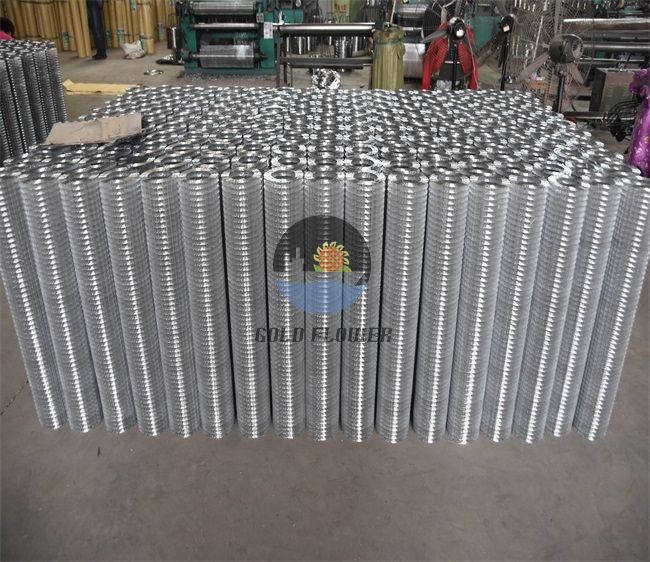
Customized stainless steel mesh components for industrial applications.
Application Case Studies
Case Study 1: Enhanced Filtration in Pharmaceutical API Production
A leading pharmaceutical manufacturer faced challenges with inconsistent particle size distribution during the final stages of Active Pharmaceutical Ingredient (API) powder production. Their existing filtration system, using polymer-based screens, suffered from rapid wear and inconsistent pore sizes, leading to batch rejections and increased operational costs.
- Solution: We provided custom-fabricated filter elements made from ce certification 250 micron stainless steel mesh (AISI 316L for enhanced corrosion resistance and cleanability). The mesh was manufactured with an exceptionally tight aperture tolerance and electropolished for a smooth, hygienic surface.
- Results: The client achieved a 99.8% consistency in particle size, drastically reducing product rejections. The superior durability and ease of cleaning of the stainless steel mesh extended filter element lifespan by 400%, leading to significant savings in replacement and maintenance, aligning with ISO 13485 standards for medical devices and pharmaceutical production.
Case Study 2: Improved Efficiency in Industrial Wastewater Treatment
A heavy industrial complex operating a large-scale wastewater treatment facility experienced frequent clogging and inefficient removal of fine suspended solids from their influent stream. Their conventional screens required constant manual cleaning and frequent replacement due to corrosion and abrasion.
- Solution: We engineered and supplied large-format vibrating screens utilizing ce certification 250 micron stainless steel mesh (AISI 304, given the less aggressive chemical environment and cost-efficiency). The screens were designed with reinforced edges to withstand continuous vibration and heavy flow.
- Results: The enhanced structural integrity and precise aperture of the stainless steel mesh significantly improved the removal efficiency of fine solids, reducing downstream filter loading by 30%. The corrosion resistance of the 304 SS mesh extended the service life of the screens by over 3 years, leading to substantial reductions in maintenance labor and material costs.
Commitment to Trust and Support
Frequently Asked Questions (FAQ)
Q1: What does CE certification signify for stainless steel mesh?
A1: CE certification indicates that our ce certification 250 micron stainless steel mesh products comply with the essential health and safety requirements of relevant European Union directives, such as the Machinery Directive or RoHS (Restriction of Hazardous Substances). This assures customers of product safety and conformity for the EU market.
Q2: What is the typical service life of 250 micron stainless steel mesh?
A2: The service life varies significantly depending on the application environment (temperature, chemical exposure, abrasive particles), operational pressure, and cleaning cycles. However, with proper material selection (e.g., 316 SS for harsh conditions) and maintenance, our mesh products typically offer a service life ranging from 3 to over 10 years, far exceeding that of many alternative materials.
Q3: Can you provide custom sizes and shapes for the mesh?
A3: Absolutely. We offer extensive customization services, including precision cutting into sheets, discs, or custom shapes, as well as fabrication into complex filter components or baskets. Our engineering team works closely with clients to design solutions tailored to specific requirements.
Lead Time and Fulfillment
Our standard lead time for stock ce certification 250 micron stainless steel mesh is typically 2-4 weeks, depending on order volume and material availability. For customized or fabricated solutions, lead times are quoted on a project-specific basis, usually ranging from 4-8 weeks. We maintain a robust inventory of raw materials and operate efficient production lines to ensure prompt order fulfillment and on-time delivery.
Warranty Commitments
We stand behind the quality and performance of our products. All our stainless steel mesh products, including ce certification 250 micron stainless steel mesh, are backed by a standard 12-month limited warranty against manufacturing defects and material flaws from the date of purchase. Extended warranty options may be available for specific large-scale projects or through service agreements.
Customer Support and After-Sales Service
Our commitment to customer satisfaction extends far beyond the point of sale. We provide comprehensive after-sales support, including technical assistance for installation, troubleshooting, and maintenance guidance. Our dedicated support team is available via phone and email to address any inquiries and ensure optimal product performance throughout its operational life. For critical applications, on-site consultation and support can be arranged.
Conclusion
The demand for precision filtration and separation solutions in industrial environments continues to grow, making ce certification 250 micron stainless steel mesh an indispensable material. Its exceptional mechanical properties, combined with superior corrosion resistance and adherence to stringent international standards, position it as a critical component for optimizing efficiency, ensuring product purity, and extending equipment lifespan across diverse sectors. By understanding its detailed manufacturing processes, technical parameters, and broad application potential, industries can leverage this advanced material to achieve unparalleled performance and reliability.
References
- European Committee for Standardization. EN 10204: Inspection Documents for Metallic Products. Brussels, Belgium.
- ASTM International. ASTM E2016-11: Standard Test Method for Coarse-Grained Wire Mesh. West Conshohocken, PA, USA.
- ISO International Organization for Standardization. ISO 9001: Quality Management Systems – Requirements. Geneva, Switzerland.
- Stainless Steel World. "Advances in Stainless Steel Wire Mesh Fabrication for High-Tech Industries." Stainless Steel World Magazine, Vol. 28, No. 3, 2022.
- European Parliament and Council of the European Union. Directive 2006/42/EC on Machinery. Brussels, Belgium.
share
Latest news
-
The Complete Guide to Decorative Mesh for B2B Decision Makers
NewsDec.08,2025
-
Weave Mesh Solutions for Industrial Applications | Wire Mesh BST
NewsDec.08,2025
-
Crimped Mesh: Durable, Versatile Metal Mesh for Global Industrial & Humanitarian Use
NewsDec.08,2025
-
Copper Mesh for Industrial Use – Reliable & Customizable Solutions
NewsDec.08,2025
-
Brass Mesh Solutions for Industry | Wiremeshbst.com Durable & Customizable
NewsDec.07,2025
-
Durable Wire Screen Solutions for Industrial Applications | WireMeshBST
NewsDec.07,2025
 English
  Belarusian
  Czech
Czech  Danish
  Dutch
Dutch  Esperanto
  Finnish
  French
  German
  Hungarian
  Icelandic
  Irish
Irish  Italian
  Norwegian
  Polish
  Russian
  Spanish
  Swedish
  Turkish
  Ukrainian