

Sep . 14, 2025 07:40 Back to list
CE Certified 250 Micron Stainless Steel Mesh - Precision & Quality
Understanding CE Certification and High-Precision Stainless Steel Mesh
In today's highly regulated industrial landscape, the demand for materials that meet stringent quality and safety standards is paramount. Particularly in B2B sectors such as petrochemical, pharmaceutical, and precision engineering, the requirement for reliable filtration, separation, and structural components is non-negotiable. This article delves into the specifics of ce certification 250 micron stainless steel mesh, a critical component engineered to deliver exceptional performance and compliance. We will explore its manufacturing intricacies, technical advantages, diverse applications, and the authoritative benchmarks that ensure its superiority.
CE certification signifies conformity with health, safety, and environmental protection standards for products sold within the European Economic Area (EEA). For stainless steel mesh products, especially those designed for demanding industrial applications, achieving CE status is a testament to rigorous quality control and adherence to international specifications. The 250-micron aperture size indicates a fine mesh, capable of precise particle separation, making it indispensable across a spectrum of sophisticated processes.
Industry Trends and Market Dynamics
The market for high-performance wire mesh is experiencing significant growth, driven by several key factors. Increased automation in manufacturing processes, stricter environmental regulations necessitating advanced filtration systems, and the expansion of sectors like renewable energy and wastewater treatment are amplifying the demand for specialized mesh solutions. The focus is increasingly on materials that offer not only superior mechanical properties but also extended service life and minimal maintenance.
- Sustainability and Longevity: Industries are prioritizing durable, corrosion-resistant materials like stainless steel to reduce replacement costs and environmental impact. This drives demand for products such as ce certification 250 micron stainless steel mesh, which offers exceptional resilience.
- Precision Filtration: Advances in micro-filtration and ultra-filtration technologies are pushing the need for finer and more uniform mesh apertures, critical for processes like precision chemical separation and pharmaceutical manufacturing.
- Regulatory Compliance: Global market access often hinges on certifications like CE, particularly for safety-critical components. Manufacturers must ensure their products, including ce certification wire mesh ss 316, meet these international benchmarks.
- Customization: The trend towards bespoke solutions tailored to specific application requirements means manufacturers must offer a wide range of materials, weave patterns, and finishing options.
For instance, the global industrial filtration market size was valued at USD 29.5 billion in 2022 and is projected to reach USD 50.1 billion by 2032, growing at a CAGR of 5.4%. This growth directly correlates with the increasing need for advanced materials like high-grade stainless steel wire mesh.
Technical Specifications and Parameters
The performance of ce certification 250 micron stainless steel mesh is defined by a precise set of technical parameters. These specifications ensure the mesh performs reliably under various operational stresses, from chemical exposure to mechanical loads. Understanding these details is crucial for engineers and procurement specialists.
| Parameter | Typical Value / Range | Standard / Significance |
|---|---|---|
| Mesh Opening (Aperture) | 250 microns (0.25 mm) | Critical for filtration precision and particle separation. |
| Wire Diameter | 0.16 mm - 0.22 mm (approx.) | Influences strength, open area, and flow rate. |
| Mesh Count | 60 Mesh (wires per inch) | Number of openings per linear inch, directly related to aperture. |
| Material Grade | SS 304, SS 316 (or SS 316L) | Corrosion resistance, heat resistance, and mechanical properties. SS 316 offers superior chloride resistance. |
| Open Area | Approx. 30% - 40% | Affects flow rate and screening efficiency. Higher open area means better flow. |
| Tensile Strength | 520 - 720 MPa (SS 304/316) | Resistance to breaking under tension, crucial for structural integrity. |
| Weave Type | Plain Weave, Twill Weave, Dutch Weave | Determines stability, strength, and filtration characteristics. Plain weave is common for precise apertures. |
The CE certification process for these materials typically involves assessment against harmonized standards, ensuring that parameters such as material composition, mechanical properties, and manufacturing consistency meet the essential requirements for safety and performance. This gives users confidence in the product's quality and reliability.
Detailed Manufacturing Process Flow
The production of high-quality ce certification 250 micron stainless steel mesh involves a meticulously controlled process to ensure uniformity, strength, and precise aperture size. Below is a simplified schematic of the manufacturing journey, emphasizing critical stages and quality control points.
Manufacturing Process Steps:
-
1. Material Selection (Raw Material Procurement):
High-grade stainless steel wire rods (e.g., SS 304, SS 316) are sourced from certified suppliers. Material certificates (MTCs) verifying chemical composition and mechanical properties are rigorously checked against international standards like ASTM A276/A580. This foundational step ensures the inherent corrosion resistance and strength required for the final product.
-
2. Wire Drawing:
The steel rods undergo a series of cold drawing processes, reducing their diameter progressively until the desired fine wire gauge (e.g., 0.18mm for 250-micron mesh) is achieved. This process increases tensile strength and improves surface finish. Continuous inline measurement and tension control are critical.
-
3. Annealing (Heat Treatment):
After drawing, the wire is annealed in a controlled atmosphere to relieve internal stresses, restore ductility, and optimize its mechanical properties for subsequent weaving. This ensures the wire is not brittle and can withstand the weaving process without breakage.
-
4. Weaving / Welding:
For woven mesh, precision weaving looms intertwine warp and weft wires to create the specific mesh pattern (e.g., plain weave for 250 microns). For welded mesh, resistance welding machines fuse wires at their intersections, ensuring exceptional rigidity and stability. Advanced CNC machining is employed to maintain precise tension and pitch, guaranteeing uniform apertures. This stage directly impacts the critical 250-micron specification.
-
5. Cleaning and Finishing:
The woven or welded mesh undergoes a thorough cleaning process to remove oils, lubricants, and surface contaminants. This may involve degreasing, pickling, and passivation to enhance corrosion resistance and ensure a clean, smooth surface free from imperfections. This is crucial for applications requiring high purity, like pharmaceutical or food processing.
-
6. Quality Control and Testing:
Each batch of mesh undergoes rigorous testing. This includes optical microscopy for aperture size verification (ensuring precise 250 microns), tensile strength tests (to ISO 9044 or ASTM E2016), material composition analysis (XRF), and visual inspection for defects. Compliance with ISO 9001 and specific industry standards (e.g., for food contact or medical applications) is verified here. This stage is paramount for achieving CE certification.
-
7. Cutting, Fabrication, and Packaging:
The finished mesh is cut to specified dimensions, rolled, or fabricated into custom forms (e.g., filters, screens, baskets). Proper packaging prevents damage during transit and maintains product integrity. Labelling includes CE mark and product specifications.
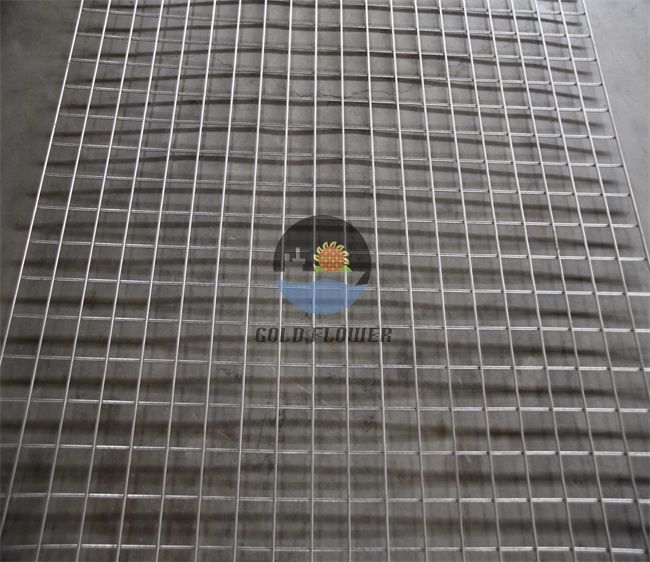
The emphasis on testing standards like ISO 9044 for industrial wire screens, ANSI/AWWA C200 for waterworks applications, and adherence to specific FDA guidelines for food-grade materials ensures that the final ce certification 250 micron stainless steel mesh product meets or exceeds expectations for service life, which can range from 10 to 20 years or more depending on the operating environment and maintenance.
Technical Advantages and Performance Excellence
The inherent properties of stainless steel, combined with precision manufacturing, confer significant technical advantages to ce certification 250 micron stainless steel mesh, making it a preferred choice across various demanding applications.
- Superior Corrosion Resistance: Stainless steel, particularly grades like SS 304 and SS 316, exhibits excellent resistance to oxidation, corrosion from various chemicals, and pitting in saline environments. This ensures a prolonged service life, especially in harsh industrial settings like petrochemical plants and wastewater treatment facilities. For highly corrosive environments, ce certification wire mesh ss 316 is often specified due to its added molybdenum content.
- High Tensile Strength and Durability: The robust construction provides exceptional mechanical strength, allowing the mesh to withstand high pressure differentials and mechanical stress without deformation. This is crucial for applications such as industrial filters and support grids.
- Precise and Stable Aperture: The 250-micron aperture is consistently maintained across the entire mesh, ensuring reliable and uniform filtration or separation efficiency. This precision is vital for processes requiring critical particle size control, such as in pharmaceutical or screen printing applications (e.g., ce certification stainless steel wire mesh for screen printing).
- Heat Resistance: Stainless steel maintains its structural integrity and mechanical properties even at elevated temperatures, making it suitable for high-temperature filtration or screening processes.
- Easy to Clean and Sterilize: The smooth, non-porous surface of stainless steel facilitates easy cleaning and sterilization, crucial for hygienic applications in food processing, medical, and pharmaceutical industries.
- Energy Saving (Reduced Pressure Drop): Properly designed mesh with optimized open area can contribute to lower pressure drop across filters, leading to reduced energy consumption for pumps and blowers in fluid processing systems.
- Cost-Effectiveness in Long Term: While the initial investment might be higher than alternative materials, the extended service life, reduced maintenance, and superior performance of stainless steel mesh result in lower total cost of ownership over time.
These advantages make ce certification 250 micron stainless steel mesh an optimal choice for critical applications where failure is not an option and long-term reliability is paramount.
Application Scenarios and Case Studies
The versatility and robust performance of ce certification 250 micron stainless steel mesh make it indispensable across a multitude of industrial applications. Its precision and durability are leveraged in various sectors.
Key Application Industries:
- Petrochemical and Chemical Processing: Used in catalytic converters, filtration of corrosive liquids, and support grids for various chemical reactors. The corrosion resistance of stainless steel (especially SS 316) is critical here.
- Water Supply & Drainage / Wastewater Treatment: Fine mesh screens are employed for particulate removal, protecting pumps and preventing blockages in water treatment systems. This includes applications for ce certification wire mesh pool fencing for safety screens and primary filtration in municipal water plants.
- Metallurgy and Mining: Sieving and grading of fine powders, mineral separation, and protective screening in harsh environments. Ce certification heavy duty wire mesh variants are common here.
- Food and Beverage Industry: Filtration of syrups, juices, and oils, as well as dewatering processes, where hygiene and non-contaminating materials are paramount. FDA-compliant stainless steel mesh is often required.
- Pharmaceutical and Medical Devices: Precision filtration in drug manufacturing, sterilization trays, and medical implants. Here, the extremely high purity and consistent aperture of ce certification fine steel mesh screen are essential.
- Screen Printing: As a stencil base for detailed graphic and electronic circuit board printing (e.g., ce certification stainless steel wire mesh for screen printing).
- Construction and Architecture: Security fencing (e.g., ce certification square mesh wire fencing), architectural facades, and infill panels.
Application Case Studies:
Case Study 1: Catalyst Support in Petrochemical Refining
A major petrochemical client required a high-temperature and corrosion-resistant support grid for catalyst beds in their reformers. They utilized custom-fabricated ce certification 250 micron stainless steel mesh made from SS 316L. The mesh’s precise aperture prevented catalyst fines from escaping while allowing optimal flow of reactants. Client feedback indicated a 15% improvement in process efficiency due to reduced pressure drop and no degradation after two years of continuous operation at 500°C.
Case Study 2: Fine Particle Separation in Pharmaceutical Production
A pharmaceutical company needed a reliable solution for separating active pharmaceutical ingredients (APIs) from carrier particles, requiring a particle cut-off at exactly 250 microns. Our ce certification 250 micron stainless steel mesh, specifically woven to pharmaceutical-grade standards, provided the consistent separation needed. Test data showed 99.8% separation efficiency, significantly reducing product loss and ensuring compliance with stringent purity requirements. This led to a 10% increase in yield and a faster validation process.
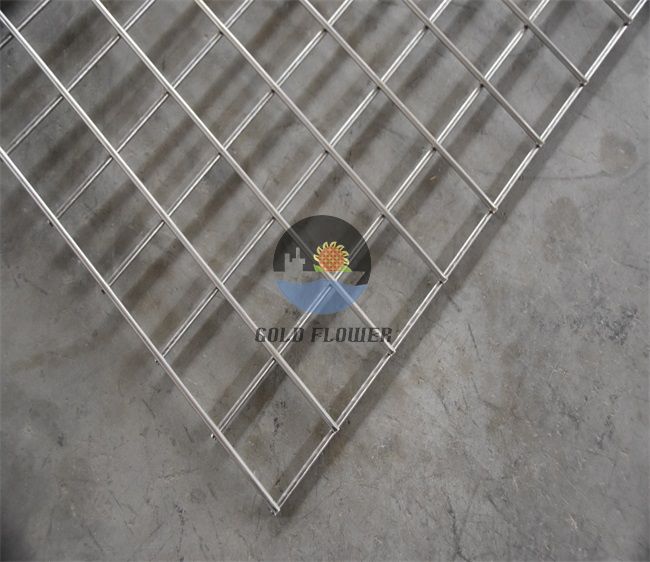
These examples underscore the critical role of precision-engineered and certified stainless steel mesh in ensuring operational integrity and product quality across diverse industrial landscapes.
Vendor Comparison and Customization Options
Selecting the right vendor for specialized industrial components like ce certification 250 micron stainless steel mesh is crucial. A comprehensive comparison involves more than just price; it encompasses quality, certifications, customization capabilities, and post-sales support.
| Feature | Leading Supplier (e.g., WireMeshBST) | Standard Supplier A | Economy Supplier B |
|---|---|---|---|
| CE Certification | Yes (Validated) | Partial/Self-Declared | No |
| Material Traceability | Full MTCs, Batch Records | Limited MTCs | Minimal |
| Aperture Precision (250µm) | ±5% tolerance | ±10% tolerance | >10% tolerance |
| Customization Options | Extensive (material, weave, size, fabrication) | Limited (standard sizes) | None |
| Lead Time (Standard Orders) | 2-4 weeks | 4-6 weeks | 6-8+ weeks |
| Technical Support | Dedicated engineers, application support | Basic product info | Minimal/Self-service |
| Warranty | 2-5 years (material & workmanship) | 1 year | Limited/None |
Customized Solutions for Specific Needs:
While standard ce certification 250 micron stainless steel mesh serves many purposes, some applications demand tailored solutions. Reputable manufacturers offer extensive customization capabilities:
- Material Variations: Beyond SS 304 and SS 316, options include SS 310 for high-temperature applications, Duplex stainless steels for enhanced corrosion resistance, or even specialized alloys if required for extreme environments.
- Mesh Construction: Custom weave patterns (e.g., twill, Dutch weave for specific flow/filtration characteristics), varying wire diameters to adjust open area and strength, and unique mesh counts. This applies to products like ce certification stainless steel woven fabric.
- Fabrication and Finishing: Mesh can be supplied in rolls, cut-to-size sheets, or fabricated into complex forms such as filter discs, cylinders, baskets (e.g., ce certification stainless steel mesh box), or even welded panels for structural uses. Edge treatments, specialized coatings, or passivation can also be applied.
- Dimensional Accuracy: Tight tolerances on length, width, and flatness can be met for integration into automated systems or precision equipment.
These customization options ensure that the mesh integrates seamlessly into specific system designs, optimizing performance and extending operational life.
Authoritativeness and Trustworthiness
In the B2B sector, credibility is built on demonstrated expertise, transparent processes, and unwavering commitment to quality. For products like ce certification 250 micron stainless steel mesh, authoritativeness and trustworthiness are paramount.
Certifications and Compliance:
- CE Mark: As the name implies, adherence to the CE directive is a fundamental aspect, indicating compliance with European safety, health, and environmental protection requirements. This is verified by third-party notified bodies.
- ISO 9001:2015: Certification for Quality Management Systems, ensuring consistent processes from raw material sourcing to final product delivery and customer satisfaction.
- ASTM & DIN Standards: Products are manufactured and tested according to relevant international standards, such as ASTM E2016 for standard woven wire mesh and DIN 4192 for wire diameter.
- FDA/cGMP Compliance: For applications in food, beverage, and pharmaceutical industries, mesh can be produced to meet stringent FDA regulations and current Good Manufacturing Practices (cGMP).
Our Commitment to Quality and Service:
- Years of Experience: With over two decades in the wire mesh industry, we bring unparalleled expertise in engineering and manufacturing high-precision mesh products.
- Client Partnerships: Our extensive portfolio includes collaborations with leading companies in petrochemical, energy, and water treatment sectors, demonstrating our proven track record.
- Comprehensive Warranty: We offer a robust 2-5 year warranty on our ce certification 250 micron stainless steel mesh, covering material defects and manufacturing workmanship, providing peace of mind for long-term investments.
- Detailed Lead Time & Fulfillment:
- Standard Orders: Typically 2-4 weeks from order confirmation to dispatch, depending on volume.
- Custom Orders: 4-8 weeks, factoring in design, material sourcing, and specialized fabrication.
- Expedited Services: Available upon request for urgent requirements, subject to additional charges.
- Dedicated Customer Support: Our team of technical experts and customer service representatives is available Monday-Friday, 9:00 AM - 5:00 PM (GMT+8), via phone, email, and live chat to assist with product selection, technical queries, and order tracking.
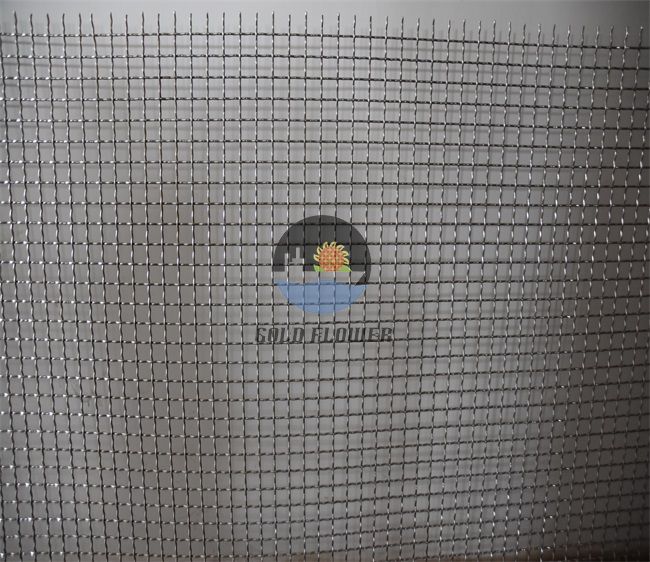
Frequently Asked Questions (FAQ)
Q1: What does CE certification specifically mean for stainless steel mesh?
A1: CE certification for stainless steel mesh indicates that the product complies with the essential health, safety, and environmental protection requirements of relevant EU directives. For mesh, this typically relates to material safety, mechanical integrity, and often includes standards for contact materials in certain applications, ensuring its fitness for purpose within the European market.
Q2: How do I ensure the 250-micron aperture is truly consistent?
A2: We employ advanced optical microscopy and laser inspection systems during and after the weaving process to meticulously measure and verify aperture consistency. Our quality control procedures, backed by ISO 9001, ensure that each batch of ce certification 250 micron stainless steel mesh meets the specified tolerance for aperture size.
Q3: What's the difference between SS 304 and SS 316 mesh for my application?
A3: SS 304 is a general-purpose stainless steel, offering good corrosion resistance and strength, suitable for most industrial and food applications. SS 316, containing molybdenum, provides superior resistance to pitting corrosion, especially in chloride environments (e.g., seawater, certain chemical processes). If your application involves corrosive chemicals or saline conditions, ce certification wire mesh ss 316 is the recommended choice.
Q4: Can this mesh be used in high-temperature environments?
A4: Yes, stainless steel mesh, including ce certification 250 micron stainless steel mesh, exhibits excellent heat resistance. SS 304 can withstand temperatures up to 870°C (1600°F) intermittently and 925°C (1700°F) continuously. SS 316 performs similarly, often with better resistance to creep and stress rupture at elevated temperatures. For even higher temperatures, specialized grades like SS 310 can be customized.
Conclusion
The demand for precision, durability, and compliance in industrial components continues to grow. ce certification 250 micron stainless steel mesh stands out as a critical solution, embodying advanced manufacturing, rigorous quality control, and adherence to international standards. From sophisticated filtration in pharmaceuticals to robust support in petrochemical processes, its versatility and reliability are unmatched. Partnering with a reputable manufacturer that prioritizes CE certification, offers extensive customization, and provides comprehensive support ensures that your industrial operations benefit from the highest quality mesh solutions available.
References
- Grand View Research. (2023). Industrial Filtration Market Size, Share & Trends Analysis Report By Product, By Application, By Region, And Segment Forecasts, 2023 - 2032. Retrieved from grandviewresearch.com
- European Commission. (n.d.). CE Marking. Retrieved from ec.europa.eu/growth/single-market/ce-marking_en
- ASTM International. (2022). ASTM E2016 - 22 Standard Specification for Industrial Woven Wire Cloth. Retrieved from astm.org
- International Organization for Standardization. (2022). ISO 9001:2015 Quality management systems — Requirements. Retrieved from iso.org
- Specialty Steel Industry of North America. (n.d.). Stainless Steel Grades. Retrieved from ssina.com
share
Latest news
-
The Complete Guide to Decorative Mesh for B2B Decision Makers
NewsDec.08,2025
-
Weave Mesh Solutions for Industrial Applications | Wire Mesh BST
NewsDec.08,2025
-
Crimped Mesh: Durable, Versatile Metal Mesh for Global Industrial & Humanitarian Use
NewsDec.08,2025
-
Copper Mesh for Industrial Use – Reliable & Customizable Solutions
NewsDec.08,2025
-
Brass Mesh Solutions for Industry | Wiremeshbst.com Durable & Customizable
NewsDec.07,2025
-
Durable Wire Screen Solutions for Industrial Applications | WireMeshBST
NewsDec.07,2025
 English
  Belarusian
  Czech
Czech  Danish
  Dutch
Dutch  Esperanto
  Finnish
  French
  German
  Hungarian
  Icelandic
  Irish
Irish  Italian
  Norwegian
  Polish
  Russian
  Spanish
  Swedish
  Turkish
  Ukrainian