

Sep . 10, 2025 08:20 Back to list
CE Certified 250 Micron Stainless Steel Mesh for Precision Filtering
Introduction to CE Certified 250 Micron Stainless Steel Mesh for Critical B2B Applications
In the demanding landscape of industrial filtration and separation, precision, durability, and regulatory compliance are paramount. For critical applications requiring exceptional material integrity and fine particle separation, the demand for high-quality, certified wire mesh solutions is ever-increasing. We delve into the specifics of ce certification 250 micron stainless steel mesh, a product engineered to meet stringent performance and safety standards, particularly within the chemical and related industries.
This comprehensive guide explores the technical intricacies, manufacturing excellence, diverse applications, and inherent advantages of this specialized material. From the meticulous production processes to its vital role in ensuring operational efficiency and safety across various sectors, understanding its capabilities is crucial for B2B decision-makers and engineering professionals alike.
Industry Trends and Market Demand for Certified Wire Mesh
The global industrial filtration market is experiencing robust growth, driven by escalating environmental regulations, increased industrialization, and the rising demand for cleaner processes across sectors like petrochemical, pharmaceutical, and food & beverage. A significant trend is the non-negotiable requirement for products to meet international quality and safety certifications, such as CE marking, especially for materials deployed in critical European markets and globally recognized standards.
Industries are increasingly seeking not just effective filtration media, but also materials that ensure long-term reliability and compliance. This includes demand for ce certification wire mesh ss 316 for enhanced corrosion resistance in aggressive environments, and ce certification stainless steel wire mesh for screen printing where precision and consistency are paramount. The market is also seeing a surge in specialized applications, from ce certification square mesh wire fencing for security to ce certification wire mesh pool fencing for safety, underscoring the versatility and broad applicability of certified stainless steel mesh products.
According to recent market analysis, the stainless steel wire mesh market is projected to grow at a Compound Annual Growth Rate (CAGR) of over 6% between 2023 and 2030, largely due to its superior properties like corrosion resistance, high strength, and aesthetic appeal. This growth is further propelled by the stringent quality controls and certification requirements, ensuring product safety and performance.
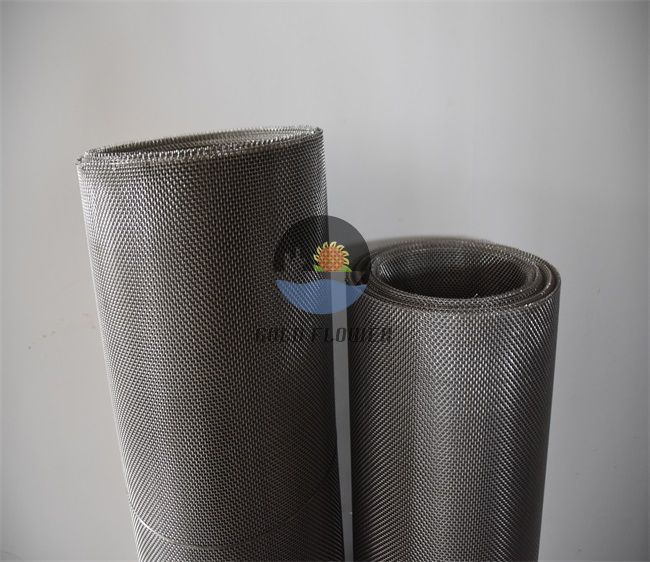
Technical Specifications and Properties of CE Certification 250 Micron Stainless Steel Mesh
The efficacy of ce certification 250 micron stainless steel mesh hinges on its precise technical specifications and inherent material properties. Stainless steel, particularly grades like 304 and 316, is chosen for its exceptional corrosion resistance, high tensile strength, and durability across a wide range of operational temperatures and chemical exposures. The 250-micron aperture size (equivalent to approximately 60 mesh) is critical for fine-particle filtration and separation processes.
Key Technical Parameters
| Parameter | Specification for 250 Micron Mesh | Typical Range |
|---|---|---|
| Mesh Count (per inch) | ~60 Mesh | 2-635 |
| Aperture Size | 250 µm (0.25 mm) | 20 µm - 10 mm |
| Wire Diameter | Typically 0.16 mm - 0.2 mm | 0.02 mm - 5 mm |
| Material Grade | SS304, SS316 (Primary) | SS304, SS316, 310, 321, 904L, Duplex |
| Open Area | Approx. 40-50% (Varies with wire dia.) | 5% - 90% |
| Tensile Strength | Typically 520-720 MPa (SS304/316) | Up to 1200 MPa (for specific alloys) |
| Weave Type | Plain Weave, Twilled Weave | Plain, Twilled, Dutch, Reverse Dutch |
The choice between SS304 and SS316 often depends on the corrosivity of the operating environment. SS316, with its molybdenum content, offers superior resistance to pitting and crevice corrosion, making it ideal for marine, chemical processing, and highly saline applications. Compliance with standards such as ASTM E2016-11 for wire mesh testing further ensures the integrity and performance of the material.
Manufacturing Process Flow for CE Certification 250 Micron Stainless Steel Mesh
The production of high-precision ce certification 250 micron stainless steel mesh is a sophisticated process involving several critical stages, each subjected to rigorous quality control to ensure adherence to specified parameters and CE marking requirements. This systematic approach guarantees the mesh's structural integrity, filtration accuracy, and longevity.
Schematic Steps of Manufacturing:
- 1. Material Selection & Procurement: High-grade stainless steel raw materials (e.g., SS304, SS316 coils) are sourced from certified suppliers, ensuring chemical composition and mechanical properties meet international standards (e.g., ASTM A276).
- 2. Wire Drawing: The raw stainless steel rods are drawn through a series of dies to achieve the precise wire diameter required for the 250-micron mesh (e.g., 0.16mm - 0.20mm). This process enhances the wire's tensile strength and surface finish.
- 3. Annealing (Optional but Common): Wires may undergo annealing to relieve internal stresses and improve ductility, making them suitable for the weaving or welding process without breakage.
- 4. Weaving/Welding:
- Weaving (for woven mesh): Precision looms interlace warp and weft wires in a specific pattern (e.g., plain weave for 250 micron) to create the desired mesh opening. The looms are highly calibrated to maintain consistent aperture size.
- Welding (for welded mesh): For larger apertures or specific structural requirements, wires are resistance-welded at intersections to form a rigid mesh. While less common for fine 250-micron mesh, it is used for products like ce certification heavy duty wire mesh or ce certification square mesh wire fencing.
- 5. Post-Weaving/Welding Treatment: The woven or welded mesh undergoes cleaning (e.g., degreasing, pickling) to remove contaminants and improve corrosion resistance. Further treatments like passivation can enhance the material's protective oxide layer.
- 6. Cutting and Fabrication: The mesh is cut into rolls, sheets, or fabricated into specific shapes (e.g., filter discs, baskets, or ce certification stainless steel mesh box) according to customer specifications, using techniques like shearing, laser cutting, or stamping.
- 7. Quality Control & Testing: Throughout the process, the mesh is subjected to rigorous testing. This includes optical inspection for aperture size consistency, wire diameter measurement, tensile strength tests (per ISO 9044), and corrosion resistance tests (e.g., salt spray tests per ASTM B117).
Emphasis on Testing Standards:
ISO 9044: Industrial wire screens and woven wire cloth — Technical requirements and tests.
ASTM E2016-11: Standard Guide for Industrial Woven Wire Cloth.
CE Marking: Compliance with relevant EU directives (e.g., Machinery Directive for components used in machinery), ensuring product safety and performance for European markets.
- 8. Packaging & Dispatch: Finished, certified mesh products are carefully packaged to prevent damage during transit, ready for distribution to target industries such as petrochemical, metallurgy, and water supply & drainage.
The typical service life of such mesh can extend from 5 to 20+ years, depending on the chemical environment, operating temperature, and mechanical stresses, demonstrating significant advantages in corrosion resistance and durability over lesser materials. In applications like filtration within the petrochemical industry, the consistent and precise separation provided by this mesh contributes indirectly to energy saving by maintaining system efficiency and reducing downtime for filter replacements.
Technical Advantages of CE Certification 250 Micron Stainless Steel Mesh
The selection of ce certification 250 micron stainless steel mesh is driven by a distinct set of technical advantages critical for industrial performance and regulatory compliance:
- Superior Corrosion Resistance: Stainless steel, particularly SS316 with its molybdenum content, offers exceptional resistance to a wide array of corrosive agents including acids, alkalis, and chlorides. This is vital in chemical processing, marine applications, and wastewater treatment, significantly extending product lifespan and reducing maintenance costs.
- High Mechanical Strength and Durability: The rigorous wire drawing and weaving processes result in a mesh with high tensile strength and resistance to tearing and deformation. This ensures stable filtration performance even under high pressure and flow rates, characteristic of ce certification heavy duty wire mesh applications.
- Precise and Consistent Filtration: The 250-micron aperture size is meticulously controlled during manufacturing, providing reliable and consistent particle separation. This precision is crucial for pharmaceutical production, fine chemical filtration, and in applications requiring ce certification fine steel mesh screen.
- Thermal Stability: Stainless steel maintains its structural integrity and performance across a broad temperature range, from cryogenic conditions to elevated temperatures, without significant degradation.
- Hygienic and Easy to Clean: The smooth, non-porous surface of stainless steel inhibits bacterial growth and allows for effective cleaning and sterilization, making it ideal for food processing, brewing, and medical applications.
- Regulatory Compliance (CE Marking): The CE certification demonstrates adherence to European health, safety, and environmental protection standards. This not only facilitates market entry but also assures end-users of the product's quality and safety, reducing liability risks.
- Longevity and Reduced Downtime: The combination of corrosion resistance, strength, and certified quality leads to a longer service life, less frequent replacement, and thus, reduced operational downtime and maintenance expenses.
These advantages cumulatively translate into enhanced operational efficiency, improved product quality, and significant cost savings over the lifecycle of industrial equipment, making certified stainless steel mesh a preferred choice for discerning engineers and procurement managers.
Application Scenarios and Case Studies
The versatility and robust performance of ce certification 250 micron stainless steel mesh make it indispensable across a multitude of industrial applications. Its ability to handle aggressive media, maintain precision, and withstand demanding conditions ensures its widespread adoption.
Typical Application Areas:
- Chemical Processing: Used extensively in reactors, centrifuges, and filtration systems for separating catalysts, purifying reagents, and classifying granular materials. The 250-micron mesh efficiently filters out impurities, ensuring product purity and preventing downstream equipment damage.
- Petrochemical Industry: Employed in oil and gas refineries for filtering crude oil, natural gas, and various intermediates. It's crucial for preventing particulate matter from damaging pumps, valves, and heat exchangers, thus contributing to operational safety and efficiency.
- Pharmaceutical & Food & Beverage: Essential for sterile filtration, product clarification, and particle separation in hygienic environments. Examples include filtering syrups, spirits, and pharmaceutical intermediates. The ce certification stainless steel mesh box is often used for sterilization trays or component washing.
- Water Treatment: Critical for pre-filtration stages, removing suspended solids and preventing fouling of membranes or other filtration media in industrial wastewater treatment plants and potable water systems.
- Mining and Aggregates: Utilized for screening and classifying fine powders, sands, and mineral slurries. The durability of ce certification heavy duty wire mesh is a key factor here.
- General Industrial Use: Includes applications for ce certification metal fine mesh in HVAC systems, EMI/RFI shielding, and insect screens, demonstrating the broad utility of fine mesh.
Application Case Study: Chemical Plant Effluent Treatment
A major chemical manufacturing facility in Germany faced challenges with particulate matter in its effluent stream, which frequently clogged secondary filtration units and required costly downtime for cleaning. After a comprehensive assessment, the plant opted to integrate filtration elements made from ce certification 250 micron stainless steel mesh (SS316) into their primary settling tanks. The choice was driven by the mesh's certified quality, superior corrosion resistance to the acidic effluent, and precise 250-micron aperture for effective pre-filtration.
Results: Over a 12-month period, the plant reported a 40% reduction in secondary filter cleaning frequency and a 25% decrease in overall maintenance costs for their filtration system. The consistent filtration performance also improved the quality of the discharged effluent, ensuring compliance with local environmental regulations. The initial investment paid for itself within 18 months, showcasing the long-term value and operational efficiency provided by the certified mesh.
Customized Solutions for Specific Industrial Needs
While standard wire mesh products cater to many applications, industrial processes often require bespoke solutions. Manufacturers specializing in ce certification 250 micron stainless steel mesh offer extensive customization capabilities to meet unique operational demands, ensuring optimal performance and seamless integration into existing systems.
Customization can encompass various aspects:
- Material Grade: Beyond standard SS304 and SS316, specialized alloys like SS316L (low carbon for welding), Duplex Stainless Steel, or even materials like ce certification brass mesh can be selected for specific chemical compatibility or non-magnetic requirements.
- Mesh Aperture and Wire Diameter: While 250 micron is a common standard, precise adjustments to mesh count and wire diameter can optimize filtration efficiency and flow rates for particular particle sizes and viscosity requirements.
- Weave Type: Different weave patterns (e.g., twilled, Dutch weave) offer varied open areas, strength characteristics, and filtration precision, tailored to the application's needs.
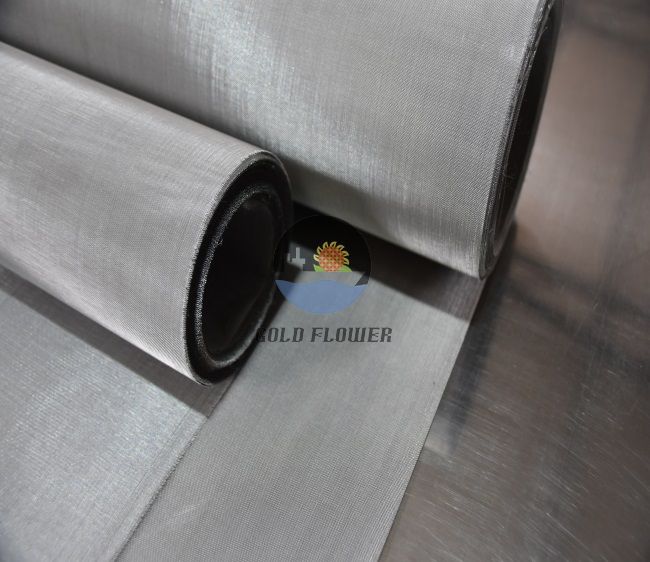
- Fabrication and Form: Mesh can be supplied in rolls, sheets, or custom-fabricated into intricate components such as filter cartridges, discs, baskets, cones, or cylinders. This often involves precision cutting, bending, welding, and forming to create ready-to-install parts for equipment such as pressure filters or vibratory screeners.
- Surface Treatments: Additional treatments like electropolishing can further enhance corrosion resistance, improve surface finish, and reduce particle adhesion in ultra-clean applications.
Leading manufacturers work closely with clients, often leveraging decades of experience and sophisticated CAD/CAM technologies, to design and produce components that precisely fit operational requirements. This collaborative approach ensures that the customized mesh not only performs optimally but also contributes to system longevity and overall cost-effectiveness.
Vendor Comparison and Selection Criteria
Choosing the right supplier for ce certification 250 micron stainless steel mesh is as critical as the product itself. A reliable vendor not only provides high-quality products but also offers technical expertise, consistent supply, and excellent post-sales support. Evaluating potential vendors against a clear set of criteria ensures a successful partnership and optimal project outcomes.
Key Vendor Selection Criteria:
| Criterion | Description | Why it Matters for CE Certified Mesh |
|---|---|---|
| Certifications & Compliance | CE Marking, ISO 9001, Material Certifications (e.g., EN 10204 3.1) | Ensures product meets European safety/quality standards and traceability. Non-negotiable for regulated industries. |
| Manufacturing Capabilities | Precision weaving/welding, post-processing (e.g., passivation), fabrication services. | Ability to consistently produce 250-micron mesh with tight tolerances and offer customized solutions. |
| Quality Control & Testing | In-house testing, adherence to ASTM/ISO standards, detailed inspection reports. | Guarantees product performance, aperture accuracy, and material integrity. |
| Technical Expertise & Support | Application engineering support, material science knowledge, design assistance. | Crucial for custom solutions, troubleshooting, and optimizing mesh for specific applications. |
| Lead Time & Supply Chain | Reliable production schedules, efficient logistics, inventory management. | Ensures timely delivery, minimizing project delays and preventing operational bottlenecks. |
| Customer References & Reputation | Testimonials, long-term partnerships, industry recognition. | Indicates a vendor's reliability, service quality, and experience in the B2B sector. |
A vendor with demonstrable expertise and adherence to stringent quality systems (like ISO 9001) will likely provide a more consistent and reliable product. For example, a company with over 20 years of specialized experience in producing industrial wire mesh and a portfolio of partner clients in the petrochemical and pharmaceutical sectors instills greater confidence than a newer, less experienced supplier.
Ensuring Trustworthiness: FAQs, Lead Time, Warranty, and Support
Frequently Asked Questions (FAQ)
Q1: What does CE certification specifically mean for stainless steel wire mesh?
A1: CE marking indicates that the product complies with the essential health and safety requirements of relevant European directives (e.g., Machinery Directive, RoHS, REACH). For wire mesh, this means it has undergone conformity assessment, ensuring it's safe for its intended use within the European Economic Area, including material integrity, manufacturing consistency, and environmental considerations.
Q2: Can ce certification 250 micron stainless steel mesh be used in high-temperature applications?
A2: Yes, stainless steel, particularly grades like 304 and 316, exhibits excellent thermal stability. SS304 can withstand continuous temperatures up to 870°C (1600°F) and SS316 up to 925°C (1700°F) for intermittent use, while offering good mechanical properties at elevated temperatures. However, specific application temperatures should be discussed with a technical expert.
Q3: What material certifications are provided with the mesh?
A3: Reputable manufacturers provide Material Test Certificates (MTC) conforming to EN 10204 3.1, which details the chemical composition and mechanical properties of the specific batch of raw material used. This ensures full traceability and verification of the material's quality.
Q4: Is ce certification 250 micron stainless steel mesh suitable for contact with food products?
A4: Yes, SS304 and especially SS316 are widely used in food contact applications due to their corrosion resistance, hygienic properties, and inertness. When accompanied by relevant FDA compliance (for US markets) or other specific food-grade certifications, it is an excellent choice for such applications.
Lead Time and Fulfillment
Standard rolls or sheets of ce certification 250 micron stainless steel mesh typically have a lead time of 2-4 weeks, depending on current inventory and order volume. For custom fabricated components or large-volume orders, lead times can range from 4-8 weeks, requiring detailed project planning. We maintain robust production schedules and collaborate with trusted logistics partners to ensure timely and efficient delivery worldwide.
Warranty Commitments
We stand behind the quality of our ce certification 250 micron stainless steel mesh products. All products are backed by a comprehensive warranty against manufacturing defects and material failures under normal operating conditions. The standard warranty period is 12 months from the date of purchase, with extended warranty options available for specific projects. Detailed warranty terms and conditions are provided with each quotation.
Customer Support and After-Sales Service
Our commitment to our clients extends beyond delivery. We offer dedicated technical support to assist with product selection, application optimization, and troubleshooting. Our experienced engineering team is available for consultation and to provide post-installation guidance. For any inquiries or support needs, clients can reach our customer service department via email at info@wiremeshbst.com or by phone during business hours. We pride ourselves on responsive and knowledgeable assistance to ensure long-term satisfaction and performance.
Conclusion
The selection of ce certification 250 micron stainless steel mesh represents a strategic investment in quality, performance, and compliance for any industrial application. Its superior material properties, combined with rigorous manufacturing processes and adherence to international certifications like CE marking, make it an indispensable component for critical filtration, separation, and protective requirements.
For B2B decision-makers and engineers, understanding the detailed technical specifications, application advantages, and comprehensive support offered by reputable manufacturers is key to ensuring operational excellence, longevity of equipment, and adherence to global safety standards. By choosing certified solutions, industries can confidently meet the challenges of demanding environments, optimize processes, and drive sustainable growth.
References
- ISO. (2014). ISO 9044:2014, Industrial wire screens and woven wire cloth — Technical requirements and tests. International Organization for Standardization.
- ASTM International. (2017). ASTM E2016-11(2017), Standard Guide for Industrial Woven Wire Cloth. ASTM International.
- European Commission. (2006). Directive 2006/42/EC of the European Parliament and of the Council of 17 May 2006 on machinery. Official Journal of the European Union.
- Grand View Research. (2023). Stainless Steel Wire Mesh Market Size, Share & Trends Analysis Report By Material, By Application, By Region, And Segment Forecasts, 2023 - 2030.
share
Latest news
-
The Complete Guide to Decorative Mesh for B2B Decision Makers
NewsDec.08,2025
-
Weave Mesh Solutions for Industrial Applications | Wire Mesh BST
NewsDec.08,2025
-
Crimped Mesh: Durable, Versatile Metal Mesh for Global Industrial & Humanitarian Use
NewsDec.08,2025
-
Copper Mesh for Industrial Use – Reliable & Customizable Solutions
NewsDec.08,2025
-
Brass Mesh Solutions for Industry | Wiremeshbst.com Durable & Customizable
NewsDec.07,2025
-
Durable Wire Screen Solutions for Industrial Applications | WireMeshBST
NewsDec.07,2025
 English
  Belarusian
  Czech
Czech  Danish
  Dutch
Dutch  Esperanto
  Finnish
  French
  German
  Hungarian
  Icelandic
  Irish
Irish  Italian
  Norwegian
  Polish
  Russian
  Spanish
  Swedish
  Turkish
  Ukrainian