

Oct . 06, 2025 00:25 Back to list
CE Certification 250 Micron Stainless Steel Mesh—316 SS?
CE certification, real-world performance, and the 250 μm stainless steel mesh everyone’s asking about
If you’re sourcing ce certification 250 micron stainless steel mesh for filtration skids or food lines, you’ve probably noticed the market got pickier this year. Buyers want traceability, EU-ready documentation, and no drama during factory acceptance tests. I spent the week in Anping City, Hebei—the mesh capital—looking at Gas Filtration SS Wire Mesh from East Industry (Wiremesh BST). Here’s what matters, in plain English.
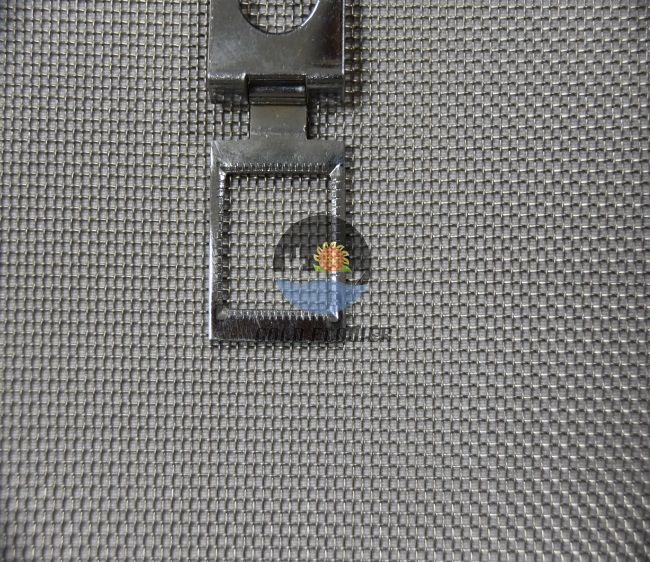
What “CE certification” really means for mesh
Quick reality check: mesh as a raw material typically doesn’t carry a CE mark by itself. CE marking applies to the final equipment under EU directives (e.g., Pressure Equipment Directive 2014/68/EU, Machinery Directive). However, project auditors still ask for a CE-ready file from the mesh vendor: Declaration of Conformity for the assembled filter, EN 10204 3.1 material certificates, REACH/RoHS statements, and—if it touches food—compliance to EU 1935/2004. Good suppliers know the drill. That’s where ce certification 250 micron stainless steel mesh requests usually land in practice.
Technical snapshot: 250 μm aperture, stable and cleanable
Materials offered: SUS302, 304, 316, 304L, 316L; weaves include Plain, Twill, and Dutch. For 250 μm gas filtration, most engineers pick 316L plain weave—it balances corrosion resistance and predictable aperture.
| Parameter | Typical value (≈, real-world use may vary) |
|---|---|
| Aperture | ≈ 250 μm (0.25 mm) |
| Wire diameter | ≈ 0.14 mm (for plain weave) |
| Approx. mesh count | ≈ 65 mesh |
| Open area | ≈ 40–45% |
| Grades | 304/304L/316/316L (316L favored for chloride exposure) |
| Weaves | Plain, Twill, Dutch (Dutch for higher retention at similar thickness) |
| Roll width/length | Up to 1.5 m width; 30 m rolls common |
| Temperature limit | Up to ≈ 800°C (grade dependent) |
| Standards reference | ISO 9044, ASTM E2016, EN 10204 (MTC) |
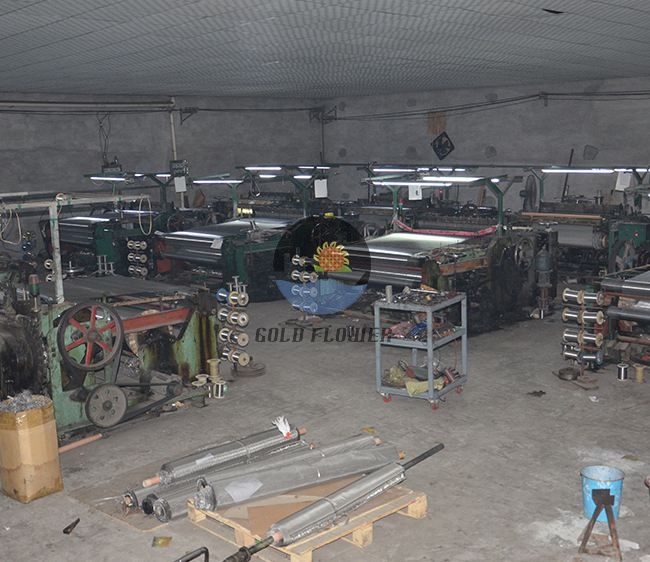
Process flow and QA (the stuff auditors ask about)
- Wire sourcing: melt records traceable; EN 10204 3.1 certificates.
- Weaving: Plain/Twill/Dutch on precision looms; aperture checked by optical imaging per ISO 9044.
- Heat treatment: annealing for stress relief; pickling/passivation for corrosion stability.
- Cleaning: ultrasonic + DI rinse; optional cleanroom pack for pharma/food.
- Testing: dimensional tolerance (ISO 4783), corrosion screening (ASTM B117; 316L shows >200 h neutral salt spray in typical in-house tests), and visual defect mapping.
- Docs set for ce certification 250 micron stainless steel mesh projects: MTC, RoHS/REACH, Food-contact statement (EU 1935/2004), and support data for PED files when used in pressure equipment assemblies.
Service life? In clean gas lines, 316L mesh often runs 5–10 years; in chemical mist or offshore air intakes, more like 2–5 years—cleaning cycles matter.
Applications and trends
We’re seeing more 250 μm in hydrogen skids, solvent recovery vents, battery-drying ovens, plus the classic petroleum and food lines. Many customers say Dutch weave helps when they need tighter retention without a big pressure drop jump. Also, demand for low-nickel variants is creeping up due to allergen policies—interesting shift.
| Vendor | Origin | CE-file support | Traceability | Lead time |
|---|---|---|---|---|
| East Industry (Wiremesh BST) | Anping, Hebei, China | Docs pack for PED/Machinery projects | EN 10204 3.1 MTC | Around 10–20 days |
| EU Distributor A | EU-based | Strong, but higher cost | 3.1 usually standard | Stock-to-2 weeks |
| Marketplace Vendor B | Mixed | Varies; check carefully | Sometimes limited | Unpredictable |
Customization and a quick case
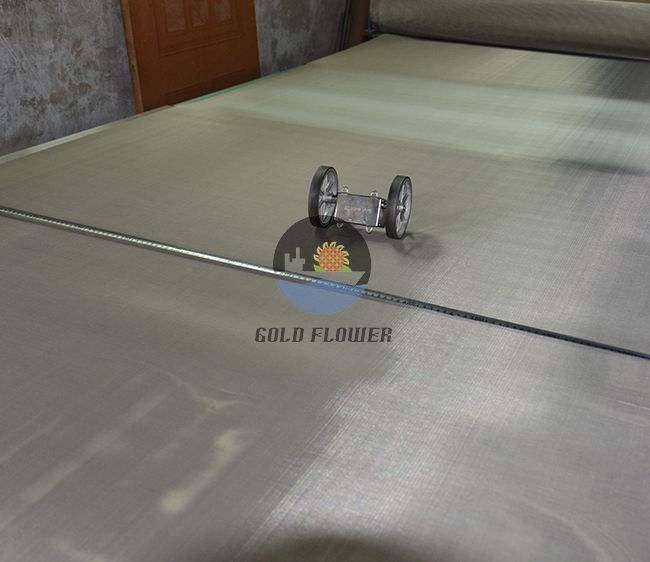
Custom cuts, multi-layer laminates, and edge welding are routine now. One EU OEM needed ce certification 250 micron stainless steel mesh discs for a Category II PED filter assembly. The vendor supplied 316L plain weave, EN 10204 3.1, REACH/RoHS, cleaning records, and dimensional maps. FAT sailed through; pressure drop came in 6% lower than modeled (pleasant surprise).
Final notes
Bottom line: pick 316L for harsh atmospheres, insist on 3.1 certificates, and align your mesh spec with ISO 9044/ASTM E2016 so the CE file for the final assembly is smooth. The Gas Filtration SS Wire Mesh from East Industry hits the right notes—acid/alkali/heat resistance, stable aperture, and documentation that keeps auditors calm.
Authoritative citations
- ISO 9044: Industrial Woven Wire Cloth—Technical requirements and tests.
- ASTM E2016: Standard Specification for Industrial Woven Wire Cloth.
- EU Pressure Equipment Directive (PED) 2014/68/EU.
- EU Regulation (EC) No 1935/2004 on materials intended to come into contact with food.
- EN 10204: Metallic products—Types of inspection documents (3.1 Certificates).
share
Latest news
-
The Complete Guide to Decorative Mesh for B2B Decision Makers
NewsDec.08,2025
-
Weave Mesh Solutions for Industrial Applications | Wire Mesh BST
NewsDec.08,2025
-
Crimped Mesh: Durable, Versatile Metal Mesh for Global Industrial & Humanitarian Use
NewsDec.08,2025
-
Copper Mesh for Industrial Use – Reliable & Customizable Solutions
NewsDec.08,2025
-
Brass Mesh Solutions for Industry | Wiremeshbst.com Durable & Customizable
NewsDec.07,2025
-
Durable Wire Screen Solutions for Industrial Applications | WireMeshBST
NewsDec.07,2025
 English
  Belarusian
  Czech
Czech  Danish
  Dutch
Dutch  Esperanto
  Finnish
  French
  German
  Hungarian
  Icelandic
  Irish
Irish  Italian
  Norwegian
  Polish
  Russian
  Spanish
  Swedish
  Turkish
  Ukrainian